

Wedding Decor Style Guide Singapore: Which Look Is Right for Your Venue?
Compare eight wedding decor styles against your Singapore venue, weather plan, guest count, setup window and budget.
29 Aug 2026

This wedding decor style guide for Singapore begins with a simple principle: a style should do more than look attractive in isolated photographs. It must suit the venue's architecture, remain practical in local weather, work at the scale of the guest list and still feel personal to the couple.
Style names are not standardised. One vendor's "modern romantic" may resemble another vendor's "soft editorial." Classic decor can be restrained or opulent, while garden styling can mean selective greenery or an immersive floral installation.
Use this guide to compare the visual signatures, venue fit, execution risks and budget pressures behind each direction. If the venue restrictions are not yet clear, complete the companion Wedding Venue Decor Guide first; style decisions become far easier once the room has been properly assessed.
Explore wedding decor: Browse Decor products and venue styling packages on Weddingserv. If practical venue constraints are still undecided, start with the Wedding Venue Decor Guide.
Wedding Decor Style Guide Singapore: The Quick Comparison
Use this table to narrow the field before building a mood board. The best match is the intersection of personal taste and venue reality.
| Decor style | Visual signature | Best venue fit | Main watch-out |
|---|---|---|---|
| Classic elegance | Symmetry, ivory florals, polished details and warm light | Hotel ballrooms, churches and heritage rooms | Can feel generic without personal detail |
| Modern romantic | Airy flowers, soft curves, layered neutrals and candlelight | Ballrooms, restaurants and studios | Requires restraint to avoid visual softness everywhere |
| Garden organic | Greenery, meadow flowers, natural textures and asymmetry | Gardens, glasshouses and bright indoor venues | Heat, humidity and rain affect execution |
| Industrial chic | Exposed structure, clean lines, metal and controlled contrast | Warehouses, lofts and contemporary halls | Too much rawness can make the wedding feel cold |
| Glasshouse romance | Transparent materials, light florals and day-to-night glow | Glasshouses, atriums and conservatories | The design may disappear after sunset without lighting |
| Luxury ballroom | Large-scale florals, reflective finishes and layered lighting | Grand hotel ballrooms | Scale, labour and rigging can increase cost quickly |
| Minimalist | Negative space, disciplined colour and sculptural form | Galleries, modern restaurants and architectural venues | "Simple" exposes weak proportions and finishing |
| Editorial | Fashion-led composition, unusual colour and statement forms | Studios, contemporary venues and blank canvases | Trend-led ideas can compete with guest comfort |
Do not choose from the label alone. Save complete room views, not only close-ups, and note what creates the effect. A photograph that looks "romantic" may rely more on lighting and table density than on flower variety. Identifying those components makes the style easier to reproduce honestly.
The Weddingserv VIBE Framework for Choosing a Wedding Decor Style
Use VIBE to move from broad labels such as "romantic" or "luxury" to a visual direction that can actually be executed.
| Letter | Decision question | What it reveals |
|---|---|---|
| V - Venue language | Is the room ornate, natural, industrial, contemporary or deliberately blank? | Which style already belongs in the architecture |
| I - Intended feeling | Should guests feel warmth, grandeur, calm, playfulness or drama? | The palette, forms and lighting direction |
| B - Budget concentration | Which one or two elements must create the defining effect? | Where to protect spend and where to simplify |
| E - Execution reality | Can the style survive the weather, setup window, guest flow and venue rules? | Whether the mood board can become a working event |
The sequence matters. Begin with the venue, define the feeling, choose where the budget will concentrate and then test execution. A style that needs the room to hide its carpet, replace every chair, transform the ceiling and cover the walls is probably not the most natural match.
Classic Wedding Decor in Singapore
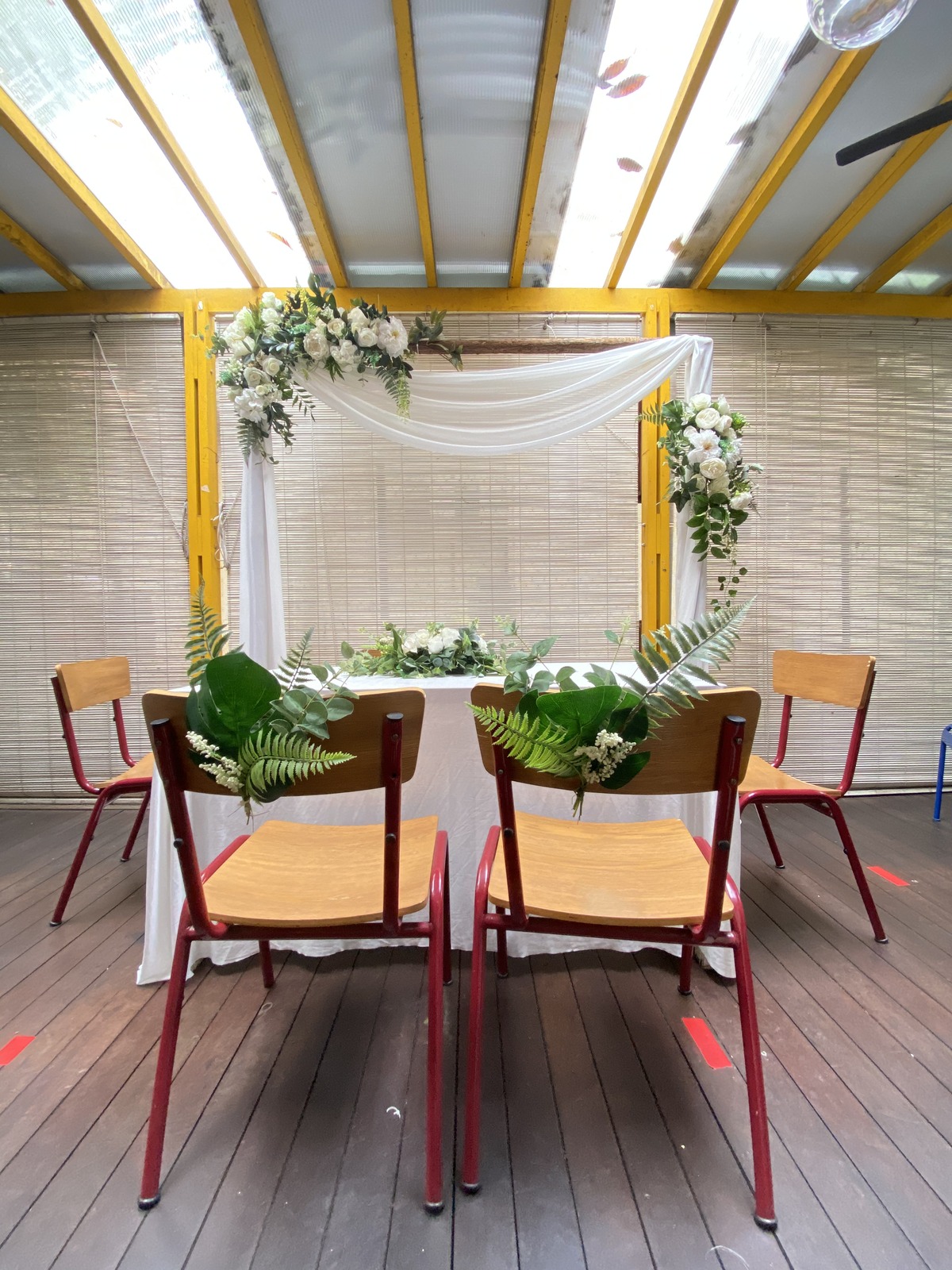
Classic decor is built on balance. Symmetrical arrangements, formal table settings, ivory or white flowers, clear aisle lines and warm neutral lighting create a composed atmosphere. The style works especially well in hotel ballrooms, churches and heritage venues because it respects ceremony and architectural order.
Classic does not have to mean predictable. Personalise it through material and proportion rather than adding unrelated novelty. A family monogram on menus, a meaningful flower used selectively, textured linens or a restrained Chinese cultural motif can distinguish the design while preserving its structure. For a tea ceremony or multi-event wedding, repeat one colour or pattern across spaces instead of forcing identical decor into every setting.
In a ballroom with patterned carpet and ornate chandeliers, let those features participate. A neutral floral palette may calm the room, while stronger greenery or black details can give pale arrangements definition. In a church, keep the aisle and altar respectful of the setting, and confirm whether flowers or pew markers can be attached.
Choose classic decor if you value polished photographs, formal symmetry and a style that is unlikely to date quickly. Avoid it when you want visible spontaneity, unusual colour or a deliberately undone garden feeling.
Modern Romantic Wedding Decor
Modern romantic decor keeps the softness associated with weddings but removes some of the formality. Flowers may be airy rather than perfectly symmetrical. Curved signs, layered neutral shades, translucent fabrics and restrained candlelight create movement without visual clutter.
This style suits couples who want elegance with a more relaxed edge. It can soften a plain ballroom, make a restaurant feel celebratory or add warmth to a contemporary studio. Popular palettes include ivory with blush, mauve, dusty blue, sage or burgundy accents, but the colour should respond to the venue rather than follow a template.
The challenge is contrast. If every element is pale, rounded and delicate, the room can look washed out, particularly under cool house lights. Add definition through dark typography, stronger foliage, a deeper accent colour or focused lighting. In photographs, this contrast helps the couple and stage remain visible against the decor.
Choose modern romantic decor if you like soft movement, elegant detail and an inviting rather than highly formal mood. It is less suitable when the venue already has many competing colours or when you prefer sharp geometry and minimal ornament.
Garden Wedding Decor for Singapore Weather
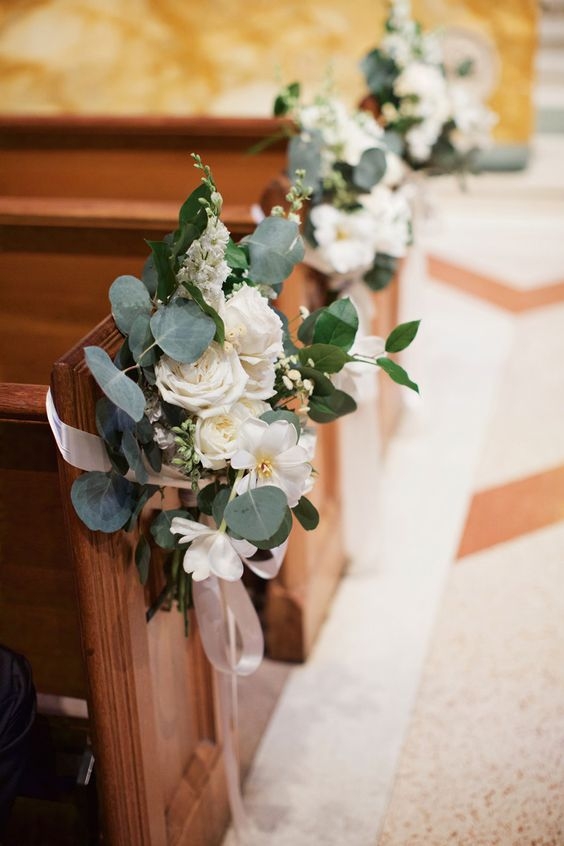
Garden organic styling uses greenery, meadow-like florals, natural textures and asymmetrical composition. The aim is not to place random plants around a venue; it is to create a sense that the design belongs to the landscape. Grounded ceremony flowers, loose aisle clusters and layered foliage usually feel more convincing than a single decorative wall.
In Singapore, the romantic image must be supported by weather planning. The Meteorological Service Singapore reports an average of 171 rain days a year and consistently high humidity. Direct sun, sudden rain and wind can affect delicate blooms, fabric, candles, signs and guest comfort.
Ask which flowers will remain presentable in the actual exposure and how early they will be installed. Ground structures properly. Choose weather-ready signage and keep electrical components protected. Build a relocation plan that identifies what moves indoors, who moves it and whether the backup room can accommodate the ceremony structure.
Garden style also works indoors. In a ballroom or restaurant, use greenery and meadow arrangements selectively rather than attempting to recreate an entire landscape. Warm lighting and natural materials help the organic elements feel intentional against an urban interior.
Choose garden decor if you value texture, asymmetry and an immersive natural atmosphere. It requires more caution when the venue is exposed, the setup window is short or the backup room is much smaller than the outdoor plan.
Industrial Chic Wedding Decor
Industrial chic decor works with exposed concrete, brick, black metal, high structural ceilings and visible architecture. It is strongest when the design respects that raw character instead of covering it with conventional ballroom styling.
Clean frames, sculptural florals, directional lighting and restrained colour can create a sophisticated contrast. Greenery softens hard surfaces; candlelight and warm bulbs prevent the room from feeling cold. Linen, timber or translucent materials can add tactile warmth without hiding the venue.
The key decision is how much rawness to preserve. If every object is black metal and every surface remains bare, the wedding may feel like an event setup rather than a celebration. Introduce one softer material family and keep the decorative shapes deliberate. A strong editorial floral piece can become the focus while the architecture provides the background.
Choose industrial chic if you like modern structure, contrast and less traditional wedding imagery. Avoid importing it into an ornate ballroom merely because you like a few black-frame references; the style works best when the venue already speaks the same language.
Glasshouse Wedding Decor From Day to Night
Glasshouse decor should respond to changing light. During the day, the venue may already feel bright, green and open. Heavy floral walls can block the view and make the setting feel smaller. Transparent plinths, light fabrics, low meadow flowers and selective greenery preserve the architecture.
After sunset, however, the same delicate design may disappear against dark glass. Lighting needs to be planned as part of the style, not added at the end. Warm uplight, small pools of table light, discreet structure lighting and a properly lit ceremony or stage zone carry the concept into the evening.
Visit the venue at the same time of day as the wedding. Check reflections in glass, direct sun at the ceremony position and whether guests will face glare. For evening events, look at the room after dark and identify where paths, steps and entrances need functional light.
Choose glasshouse romance if you want an airy, architecture-led celebration with a strong connection to daylight. It demands a careful day-to-night plan and can become uncomfortable without shade, ventilation or weather contingencies.
Luxury Ballroom Wedding Decor
Luxury ballroom decor is defined by scale and finish rather than by the sheer number of flowers. A wide stage composition, substantial centrepieces, polished surfaces and layered lighting help the design hold its own against high ceilings and a large guest count.
Start with proportion. A narrow backdrop on a wide stage can make even expensive materials look undersized. A dense ceiling installation may be dramatic but unnecessary if chandeliers already define the room. Use the room's sightlines to decide whether the budget belongs on stage width, centrepiece height, lighting or an overhead feature.
Luxury also depends on consistency. If the stage is elaborate but tables are underlit and the entrance feels unfinished, the room will not read as a complete experience. Repeat materials or shapes across zones, but vary their scale. A reflective detail on the stage can return subtly in menus or table numbers without turning every surface into a mirror.
Choose luxury ballroom decor if the venue and guest count require strong visual scale and you can support the installation with adequate labour, access and lighting. Be cautious when the setup window is short or when venue rigging and technical charges are not yet known.
Minimalist Wedding Decor: Less, but Better
Minimalist decor uses negative space, disciplined colour and carefully proportioned objects. It is not the absence of effort. Because there are fewer elements, every line, join, flower and sign becomes more visible.
This style works well in galleries, architectural restaurants and contemporary venues with clean finishes. Sculptural flowers, tonal linens, restrained signage and precise lighting can create calm without making the room feel empty. The venue must provide enough visual quality to support that restraint.
Minimalism often fails when couples remove elements without strengthening the remaining ones. A small generic arch in a large blank room is not minimal; it is underscaled. One confident ceremony structure, a refined table system and excellent light may cost more than expected because the finish has nowhere to hide.
Choose minimalist decor if you value clarity, architecture and a controlled palette. It may be difficult in a room with strong carpet patterns, mismatched furniture or many fixed visual features unless the design deliberately integrates them.
Editorial Wedding Decor for Fashion-Led Celebrations
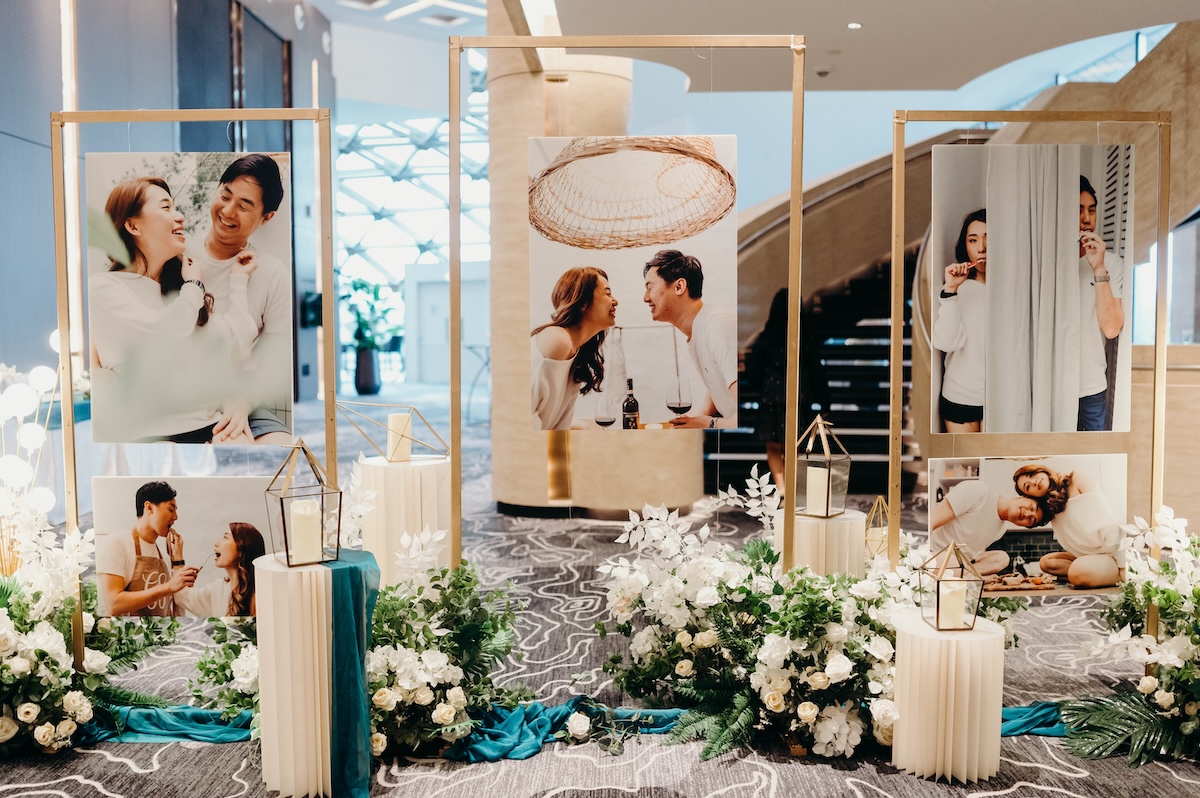
Editorial decor borrows from fashion imagery. It may use unusual colour combinations, sculptural flowers, asymmetry, bold forms or an intentionally sparse composition. The result is designed to create memorable frames rather than reproduce a familiar wedding template.
This direction suits studios, contemporary venues and blank spaces where the concept can lead. It also works in heritage or industrial venues when the contrast is deliberate. The danger is designing only for photographs. Guests still need clear routes, readable signs, comfortable tables and a stage they can see.
Limit the number of statements. One unusual colour story and one sculptural focal point may be stronger than several competing ideas. Check that the concept still looks coherent from the back of the room, not only in a close crop. Ask whether the references depend on professional studio lighting, extensive retouching or a camera angle that guests will never experience.
Choose editorial decor if originality and fashion-led imagery are genuine priorities. It requires a vendor who can translate a concept into a working event, not merely reproduce a single reference photograph.
If photography is central to the decision, compare the planned decor with the wedding photography styles guide. Editorial, cinematic and timeless photography will emphasise colour, lighting and structure differently.
How to Choose a Wedding Decor Style for Your Venue
Apply the VIBE framework to the shortlisted styles.
First, list the venue's fixed visual features: architecture, ceiling, floor, chairs, view and light. Second, define three words for the atmosphere you want guests to feel, such as intimate, polished and warm. Third, identify the one or two visual elements that deserve most of the budget. Finally, test the concept against access, setup time, guest movement, restrictions and weather.
| If your priority is... | Start with... | Then confirm... |
|---|---|---|
| Formal and timeless | Classic elegance | The palette complements the ballroom or church |
| Soft but contemporary | Modern romantic | Lighting provides enough contrast |
| Natural and immersive | Garden organic | Weather, flower resilience and the backup plan |
| Architectural and urban | Industrial chic or minimalist | The venue already supports clean structure |
| Airy day-to-night atmosphere | Glasshouse romance | Evening lighting and guest comfort |
| Grand visual impact | Luxury ballroom | Scale, rigging, labour and access |
| Distinctive photographs | Editorial | Guest function remains clear and comfortable |
If two styles remain, compare complete venue galleries rather than isolated details. Ask which option works with fewer compromises. A style that needs the carpet hidden, chairs replaced, ceiling transformed and walls covered may be a poor match even if the inspiration is appealing.
How to Combine Wedding Decor Styles Without Losing Cohesion
Most successful weddings mix influences. The problem arises when every saved image contributes a different palette, flower shape, material and mood. Keep one style dominant and use the second to add contrast.
An 80/20 framework is useful: let roughly 80 percent of the visual language come from the primary style and 20 percent from the supporting one. This is an editorial decision tool, not a market statistic. A classic ballroom might use modern romantic florals. A minimalist venue might gain warmth through garden textures. An industrial space could use classic table settings against raw architecture.
Choose three elements that must remain consistent across all zones, such as colour, material and flower shape. For example, ivory, brushed metal and airy white florals can connect the entrance, ceremony and tables even when each zone has a different scale.
Avoid adding a third full style to solve a local problem. If the tea ceremony room needs stronger cultural detail, repeat the main palette and introduce the motif selectively. If the photo area needs more energy, increase scale or contrast without changing the entire design language.
Wedding Decor Colour Palette: The 60-30-10 Framework
Colour should begin with the venue. Identify the dominant fixed colour in the carpet, walls, chairs or architecture. Then decide whether to harmonise with it or create controlled contrast.
A practical 60-30-10 framework assigns about 60 percent of the visible palette to a dominant colour family, 30 percent to a supporting colour and 10 percent to an accent. This is a design tool, not a rigid formula. In an ivory ballroom wedding, the room and linens may form the dominant neutral, greenery the supporting colour and burgundy flowers the accent.
Test the palette under venue lighting. Warm light can make ivory appear golden and deepen red tones. Cool light may flatten blush and make greenery look grey. Include materials as well as flowers: timber, metal, glass, fabric and stationery all contribute colour.
For multi-event weddings, keep one anchor shade across the solemnisation, dinner and tea ceremony, then vary the accent. This creates continuity without forcing every event to look identical.
Real Weddingserv Example: How Material and Scale Change Decor Cost
The words "basic" and "premium" are too vague to compare without scope. Current Rosette Events church-decor listings demonstrate how structure and flower type change both the visual result and the listed price.
| Current listing | Listed price | What changes visually |
|---|---|---|
| Basic Church Decor Package | S$820 | Sixteen faux-flower posies, reception table with angbao box and welcome signage |
| Premium Church Decor Package | S$1,440 | Adds a faux-flower arch to the sixteen posies, reception table and welcome signage |
| Premium Church Decor Package with Fresh Flowers | S$2,700 | Fresh-flower arch, sixteen fresh posies, fresh reception-table flowers, angbao box and welcome signage; listing states a minimum three-hour setup |
The comparison reveals two different upgrades. Moving from basic to premium adds a ceremony structure; moving to the fresh-flower version changes the material and handling demands. Neither option is universally better. The right choice depends on whether the church already has a strong altar setting, whether an arch is permitted and whether fresh flowers are central to the intended feeling.
Other current zone-specific listings include a Tea Ceremony Backdrop, Reception Table Decor and a standing Photo Gallery. These are useful reminders that one wedding may need connected styling across culturally and functionally different spaces.
This is a one-vendor scope example, not a Singapore market average. Listings were checked on 28 July 2026 and may change. Confirm permissions, dimensions, flower substitutions, setup time, delivery, teardown, GST treatment and all written inclusions.
How Wedding Decor Style Affects Your Budget
Style changes where money is concentrated. Garden and luxury concepts often carry floral, labour and logistics pressure. Minimalist concepts may use fewer objects but demand stronger fabrication and finish. Editorial styling may direct more budget to one custom statement. Industrial decor can save on coverage when the venue architecture already provides character.
| Decor style | Where the budget often goes | Practical way to control cost |
|---|---|---|
| Classic elegance | Florals, linens, formal stage and table repetition | Keep the palette tight and use venue furniture well |
| Modern romantic | Airy florals, fabric, candlelight and warm lighting | Choose one hero floral zone and simplify secondary areas |
| Garden organic | Flower volume, greenery, grounded structures and setup labour | Mix floral densities and let the venue landscape contribute |
| Industrial chic | Lighting, sculptural elements and selected furniture | Preserve strong existing architecture instead of covering it |
| Glasshouse romance | Day-to-night lighting, weather planning and transparent structures | Reduce heavy florals and invest in evening atmosphere |
| Luxury ballroom | Scale, custom structures, rigging, florals and technical work | Prioritise stage, tables and light before ceiling treatment |
| Minimalist | Custom fabrication, finish, linens and precise lighting | Use fewer zones, each with adequate scale |
| Editorial | Statement flowers, colour, unusual forms and creative development | Fund one memorable concept instead of several trends |
Guest count is the budget multiplier. If 200 guests sit ten to a table, the plan needs about 20 centrepieces. A S$50 enhancement to each table adds S$1,000 before labour. Use this arithmetic for linens, candles, menus and chair treatments before approving repeated upgrades.
Do not confuse sparse with inexpensive or abundant with good value. Ask what creates the style's defining effect. If modern romantic depends on warm light and airy flowers, protect those. If minimalist depends on a beautifully finished structure, do not replace it with several cheaper props that dilute the idea.
Wedding Decor Setup Time by Style and Complexity
The style must fit the production window. As a planning benchmark rather than a guaranteed industry average, a simple restaurant or solemnisation setup may require about two to four hours. A ballroom with stage, aisle, guest tables and lighting may need four to six hours. A custom build, hanging installation or complex technical setup can require eight to twelve hours or more.
Minimal-looking designs do not always install quickly. A clean backdrop may require precise fabrication and levelling. Garden arrangements may involve many individual placements. Luxury and editorial builds can need rigging, power, programming or structural checks.
Ask the venue when the room is truly available, not only when the event begins. Include loading, lift queues, floor protection, assembly, styling, lighting focus, safety checks and cleanup. If decor is reused between ceremony and dinner, identify who moves it and how long the transition takes.
How to Compare Wedding Decor Vendors by Venue Fit
Portfolio style matters, but execution context matters more. A decorator may be excellent at intimate restaurant weddings and have little experience with a 400-guest ballroom. Another may produce large floral installations but not provide lighting or table styling. Compare complete projects from venues similar in scale and conditions to yours.
Ask who created the concept, who supplied flowers and props, who managed lighting, and whether the same team will be assigned to your wedding. Request a clear quotation covering design, revisions, materials, structures, labour, transport, access, teardown and exclusions. Confirm substitution policies and the rain plan.
Weddingserv helps couples move from inspiration to comparison through decor vendor profiles and current decor listings. Once a shortlist exists, ask for a 1:1 vendor comparison to clarify portfolio fit, material choices and scope before enquiries multiply.
For more visual references, explore the wedding inspiration library. Use the ideas in a practical sequence: assess the room with the Wedding Venue Decor Guide, choose a VIBE direction and then compare vendors against the same written brief.
Wedding Decor Style Singapore FAQ
What is the most popular wedding decor style in Singapore?
There is no single best style. Classic elegance and modern romantic work well across many ballrooms and restaurants, while garden, minimalist and editorial directions suit particular venues and personalities. Choose by venue fit and desired atmosphere, not popularity alone.
How do I choose wedding colours for my venue?
Start with fixed colours in the carpet, walls, chairs and architecture. Build a dominant, supporting and accent palette, then test it under the room's actual lighting. Bring material and flower samples when possible.
Can I mix classic and modern wedding decor?
Yes. Keep one style dominant and use the second as an accent. Classic structure with modern romantic florals is a natural combination because the formal layout provides order while the flowers add movement.
What wedding decor style works best for a hotel ballroom?
Classic, modern romantic and luxury ballroom styles are common fits, but ceiling height, carpet, chandeliers and stage dimensions should guide the choice. Minimalist or editorial decor can also work when it deliberately responds to those fixed features.
What wedding decor style suits a small restaurant?
Modern romantic, minimalist or compact garden styling can work well. Prioritise table detail, warm lighting and one focal point. Avoid deep backdrops and oversized props that reduce service space.
How can outdoor wedding decor handle Singapore rain?
Use weighted structures, weather-ready signs, protected electrical equipment and flowers suited to the exposure. Agree on a decision time, alternate layout and responsible person for relocation. Confirm that the main structure fits the backup space.
Is minimalist wedding decor cheaper?
Not automatically. It may use fewer items, but high-quality fabrication, proportional scale, linens and lighting can still require investment. Minimalism looks successful when the remaining elements are exceptionally resolved.
Should my solemnisation and reception use the same decor style?
They should feel related, but they do not need to be identical. Repeat the main palette, material or floral shape, then adjust the scale and accent colours to suit each room and part of the day.
Final Wedding Decor Style Checklist
Before approving the style, test it against five questions. Does it work with the venue's permanent features? Can it handle the weather and setup window? Is it comfortable for the guest count and service plan? Does the quotation fund the elements that create the style's defining effect? Does it still feel personal when trend labels are removed?
The right wedding decor style gives the day coherence without forcing every surface to compete for attention. When venue language, intended feeling, budget concentration and execution reality agree, flowers, light, tables and signage begin to feel like one considered experience rather than separate purchases.
Return to the Wedding Venue Decor Guide before approving the final proposal so the chosen style is tested against access, lighting, guest flow, safety and the wet-weather plan.
Source Notes
- Singapore climate figures are from the Meteorological Service Singapore climate overview using the 1991-2020 reference period.
- The VIBE framework, 80/20 style mix, 60-30-10 palette, setup windows and budget arithmetic are planning tools, not national market averages.
- Rosette Events package prices and inclusions were checked against the linked Weddingserv listings on 28 July 2026. They may change; verify the latest listing and written quotation before booking.